Purchasing a property represents one of life's most significant financial commitments. London Home Surveyors understand that identifying serious structural defects before you buy can save you tens of thousands of pounds and years of stress. Structural issues are among the most expensive problems to fix in any property, ranging from minor cosmetic repairs costing a few hundred pounds to catastrophic failures requiring £50,000 or more to rectify.
This comprehensive guide will equip you with the knowledge to spot red flags during property viewings and understand when to commission a professional building survey. Whether you're a first-time buyer viewing your dream home or an experienced investor assessing a renovation project, recognizing the warning signs of structural defects is essential to making an informed purchase decision.
While no buyer should rely solely on visual inspection without professional surveying expertise, understanding the basics of structural defects empowers you to ask the right questions and potentially walk away from a property before you've invested significant time and money.
Understanding Structural Defects: What You Need to Know
Structural defects are problems that affect the fundamental integrity of a building's load-bearing elements. Unlike cosmetic issues such as peeling paint or worn carpets, structural problems can compromise the safety and stability of the entire property. The building's structure includes foundations, walls, floors, roof structure, and load-bearing beams that support the building's weight.
In London's diverse housing stock, structural issues can manifest differently depending on the property age, construction method, and location. Victorian terraced houses commonly suffer from different problems than modern apartment blocks or Georgian townhouses. Understanding these variations helps you focus your inspection on the most relevant concerns for the property type you're considering.
Common Categories of Structural Defects
- Subsidence and Ground Movement: Settlement of foundations causing the building to sink unevenly, often due to soil shrinkage, tree roots, or inadequate foundations
- Foundation Failures: Deterioration or inadequate design of the building's foundation system, leading to cracks, movement, and instability
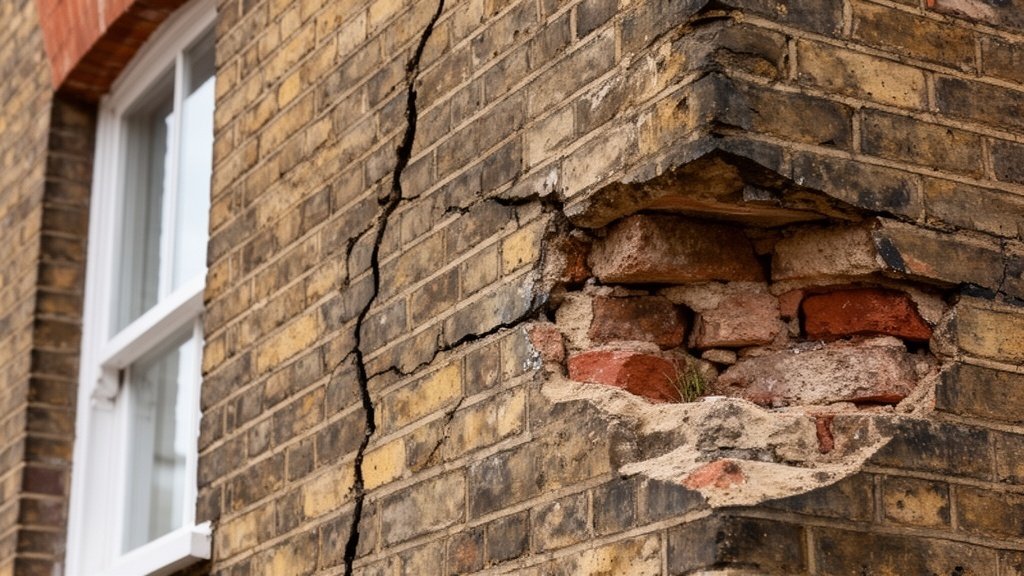
- Wall and Masonry Defects: Bulging walls, failed brickwork, missing pointing, or structural cracks indicating movement or load distribution problems
- Floor and Ceiling Issues: Sagging floors, bouncy timber joists, failing lintels, or ceiling cracks suggesting structural movement or inadequate support
- Roof Structure Problems: Sagging ridge lines, spreading roof structures, failing trusses, or inadequate support causing the roof to deform
- Damp-Related Structural Damage: Long-term water penetration causing timber decay, steel corrosion, or masonry deterioration affecting structural elements
Critical Warning Signs During Property Viewings
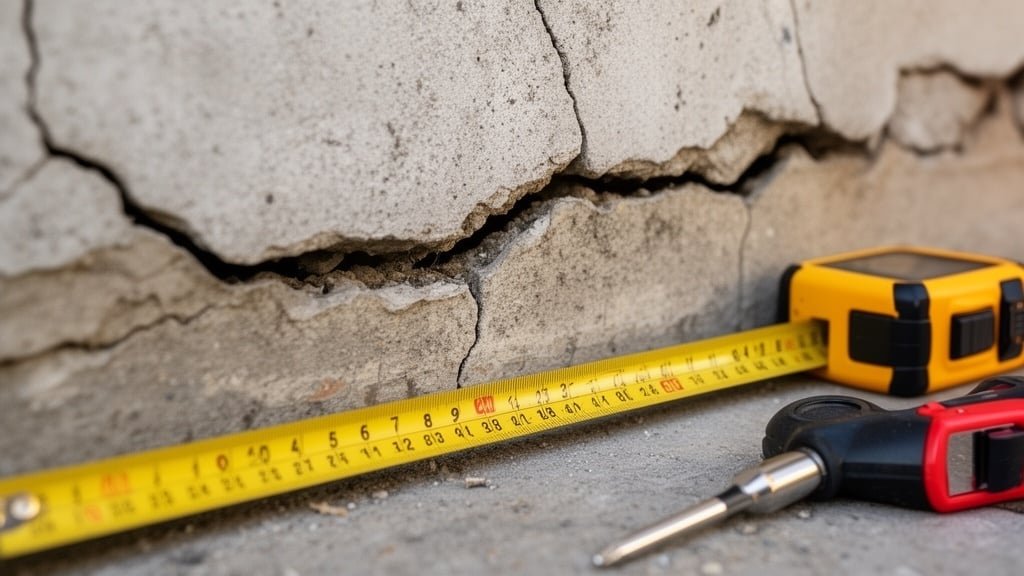
When viewing a property, your primary goal should be to identify potential red flags that warrant further professional investigation. London Home Surveyors recommend a systematic approach to property viewing that covers both interior and exterior inspection points. Bring a torch, spirit level, and measuring tape to your viewing appointments to conduct basic checks.
Cracks: Understanding the Severity
Not all cracks indicate serious structural problems. Hairline cracks in plaster are common in any property and typically result from minor settlement or thermal movement. However, certain crack patterns should raise immediate concerns and prompt you to commission a professional structural survey before proceeding with the purchase.
Crack Severity Classification
- Hairline Cracks (less than 1mm): Usually cosmetic, caused by plaster shrinkage or minor settlement. Monitor but generally not concerning
- Fine Cracks (1-5mm): May indicate minor structural movement. Require monitoring and professional assessment to determine if active
- Moderate Cracks (5-15mm): Significant structural concern requiring immediate professional investigation. May indicate subsidence or serious movement
- Severe Cracks (over 15mm): Serious structural failure requiring urgent structural engineer assessment. Property may be unsafe
- Diagonal Stepped Cracks: Follow the mortar joints in brickwork in a staircase pattern, strongly suggesting subsidence or differential settlement
- Horizontal Cracks: Particularly concerning at wall junctions or near roof level, may indicate spreading or wall tie failure
- Vertical Cracks: Wide vertical cracks near corners or openings may suggest foundation movement or inadequate lintels
Signs of Subsidence and Settlement
Subsidence represents one of the most serious and expensive structural defects you can encounter. It occurs when the ground beneath the foundations moves or sinks, causing the building to drop unevenly. In London, clay soil is particularly susceptible to subsidence, especially during dry summers when soil shrinkage occurs. Tree roots can exacerbate the problem by extracting moisture from the soil.
Visual Indicators of Subsidence
- Tapered Cracks: Cracks that are wider at the top than bottom (or vice versa) suggest progressive movement in that direction
- Cracks Around Doors and Windows: Distorted frames, sticking doors, or gaps between frames and walls indicate building movement
- Sloping Floors: Use a spirit level or roll a marble across the floor to detect uneven settlement
- Gaps Between Walls and Ceilings: Separation at the junction of walls and ceilings suggests the structure is pulling apart
- Rippling Wallpaper: While often cosmetic, can indicate underlying wall movement or bulging plaster
- External Ground Level Changes: Dropping patio levels or gaps between walls and ground suggest foundation movement
- Nearby Large Trees: Mature trees within 1.5 times their height from the property can cause subsidence through root activity
Critical Exterior Inspection Points
A thorough external inspection often reveals more about a property's structural condition than internal viewing alone. London Home Surveyors always conduct comprehensive external inspections as part of our RICS Level 3 Building Surveys. Walk around the entire property perimeter if possible, and view it from different angles to spot issues that may not be obvious from a single vantage point.
Wall and Brickwork Assessment
- Bulging or leaning walls
- Deteriorating pointing between bricks
- Spalling brickwork (face of bricks flaking)
- Rusting wall ties (brown staining)
- Vertical alignment using a plumb line
Roof and Chimney Inspection
- Sagging roof ridge or valleys
- Missing, slipped, or broken tiles/slates
- Leaning or damaged chimney stacks
- Deteriorating flashing and lead work
- Guttering and downpipe condition
When to Commission a Professional Building Survey
While this guide equips you with knowledge to spot potential problems, no amount of DIY inspection can replace professional expertise. London Home Surveyors strongly recommend commissioning a RICS Level 3 Building Survey for any property showing signs of structural defects, properties built before 1900, significantly altered properties, or those constructed using non-standard methods.
What a Professional Survey Includes
- Detailed Structural Analysis: RICS chartered surveyors examine all accessible parts of the property using specialized equipment including moisture meters, thermal imaging, and laser levels
- Comprehensive Written Report: Detailed documentation of all defects with photographs, severity ratings, and recommended remedial actions with cost estimates
- Repair Cost Estimates: Professional assessment of likely repair costs, helping you negotiate the purchase price or plan future expenditure
- Expert Consultation: Post-survey discussion to explain findings in plain English and advise whether to proceed, renegotiate, or walk away
Key Takeaways
- Structural defects are expensive to fix and can compromise property safety – early identification is crucial
- Not all cracks are serious, but diagonal stepped cracks, tapered cracks, and cracks wider than 5mm require professional assessment
- Subsidence indicators include tapered cracks, sticking doors, sloping floors, and nearby large trees
- External inspection is essential – check for bulging walls, roof sagging, and deteriorating brickwork
- Always commission a professional RICS Level 3 Building Survey if you spot any warning signs during viewings
- A £800-£1,200 survey investment can save you £50,000+ in unexpected structural repairs
Conclusion: Protect Your Investment
Identifying serious structural defects before committing to a property purchase is not just prudent – it's essential for protecting your financial investment and ensuring your family's safety. London Home Surveyors have seen countless buyers save tens of thousands of pounds by identifying problems early, either walking away from unsuitable properties or negotiating significant price reductions to account for necessary repairs.
Remember that sellers are not legally obliged to disclose all defects, and cosmetic improvements can hide serious underlying problems. Fresh paint, new carpets, and stylish furnishings may distract from cracked walls, damp patches, or structural movement. Your best protection is a combination of educated viewing followed by professional independent surveying.
Professional Survey Required?
Don't risk your investment. Our RICS chartered surveyors provide comprehensive structural assessments across London.
Book Your Survey Today